






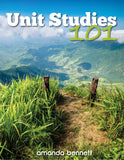
Unit Studies 101
Description
In Unit Studies 101, Amanda Bennett offers her world of knowledge on the basics of unit studies, how to research and create your own unit studies, how to use unit studies effectively, and much more.
In Unit Studies 101, Amanda Bennett offers her world of knowledge on the basics of unit studies, how to research and create your own unit studies, how to use unit studies effectively, and much more.
After more than 18 years of homeschooling, authoring more than 100 books and speaking to thousands of parents and teachers across the country, Amanda has assembled a very useful and helpful tool for understanding, creating, and using unit studies.
This comprehensive resource includes the basics of using unit studies, as well as many helpful resources for creating your own studies. You will find a wealth of organization and research tips, as well as clickable links that can save you hours of your precious time. Unit Studies 101 includes hard-to-find resources that will help you understand yourself, your children, your learning and educational goals, how to create a learning environment and make the most of your homeschool experience. There are helpful, printable forms for developing and using unit studies.
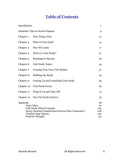
Some of the topics addressed in this guide include:
- What is a unit study and how does it work?
- What is the difference in textbook study and unit study?
- How do we learn?
- The role of hands-on learning in today’s children
- Why are there so many kinds of unit studies available, and how are they different?
- Basics of using a unit study successfully
- Creating your own unit studies
-
- Choosing a topic
- Researching your topic
- Building your study
- Using your study
- Help – I don’t know how to research!
- Basics of planning your research
- Forms to use that make your research easier
- Online resources for your unit study research – TIMESAVING!
- Bringing it all together for success!
- Amanda’s unit study starters for ten favorite study topics
- Research tips from Amanda, along with brainstorming forms and much more!
| Grade | All Ages |
| Page Count | 134 |
| Format | Digital Download |
Check back soon for helpful videos on this Unit Study.




Related Topics
You may also like:
Unit Study Journal
You may also like:
Seminars by Amanda Bennett
You may also like:
Portfolios 101
You may also like:
Homeschool Mom's Tools Bundle
Sponsor